
What Makes Wagyu Special: Marbling Explained
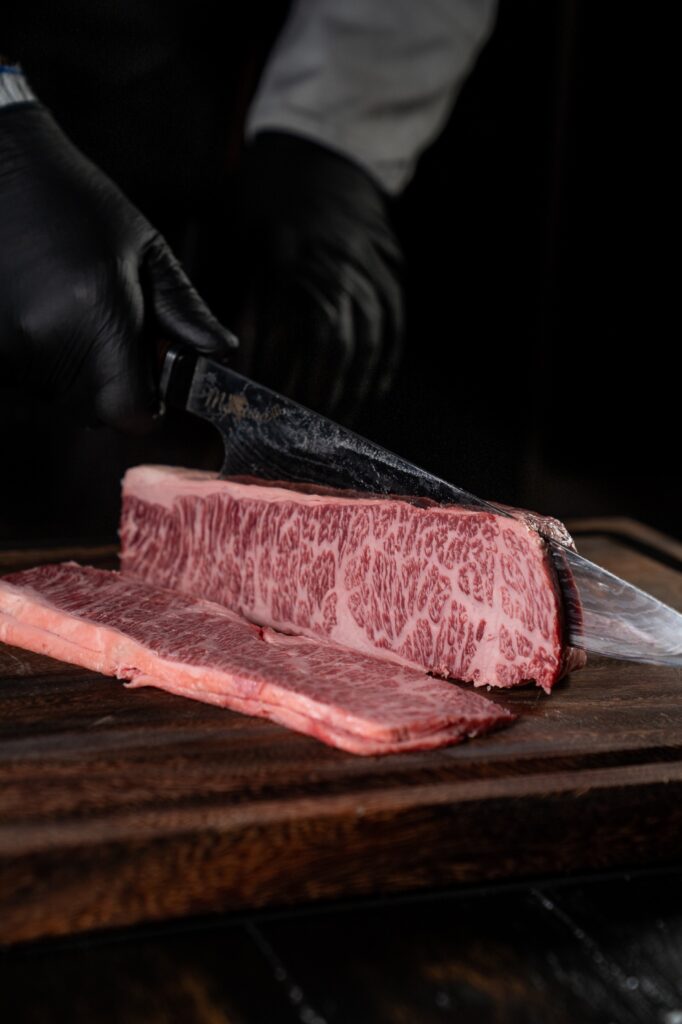
The word “Wagyu” translates simply as “Japanese cow” — a cattle breed prized for one thing above all: a genetic predisposition toward intense marbling, the intramuscular fat that creates Wagyu’s signature appearance and eating experience.
Beyond the hype
Genetics alone don’t guarantee quality. Two Wagyu steaks can differ as dramatically as a mass-produced wine differs from a carefully crafted vintage. Breeding, feeding, stress management and processing all shape the final product — which is why marbling on a spec sheet is only the beginning of the story.
What marbling does on the plate
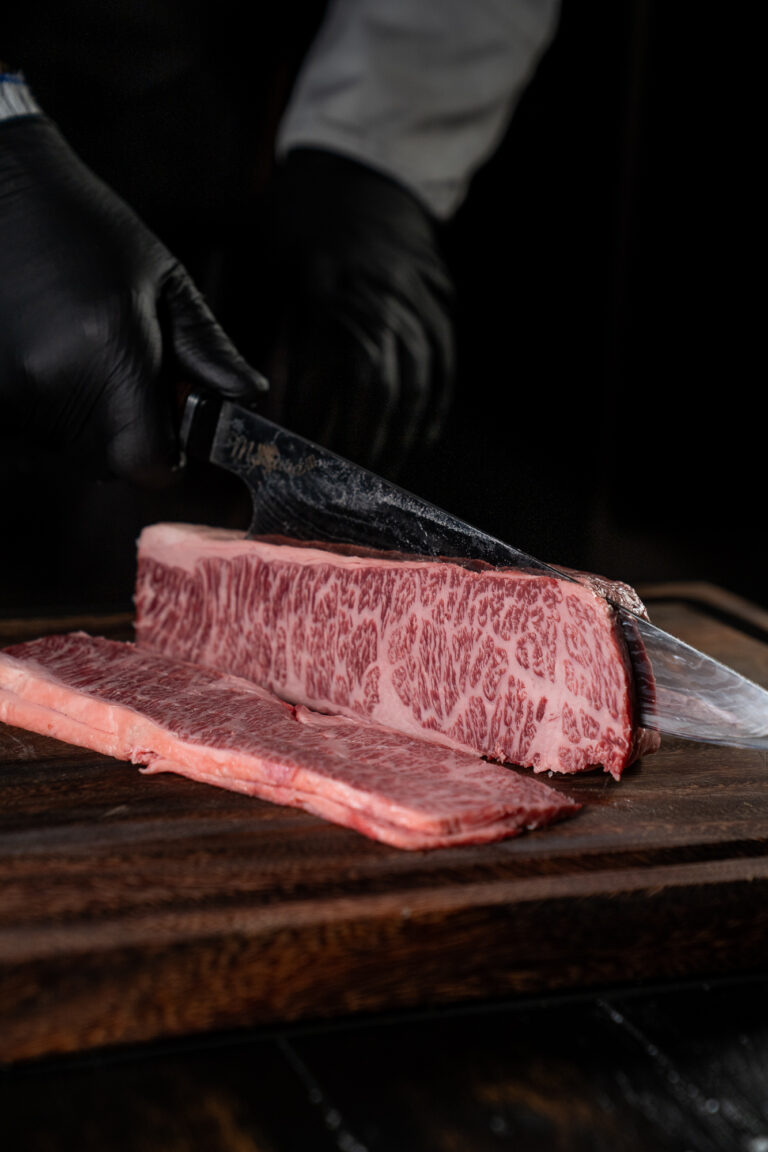
The first impression is visual: intense marbling creates an almost hypnotic pattern across the cut. On heat, that fat renders at a relatively low temperature and self-bastes the meat from within, keeping it exceptionally moist and tender. The result is a texture that is supremely tender without being mushy — the fat distributed so evenly that every bite eats the same, rather than pockets of meat alternating with seams of fat.
Why Mayura’s marbling is different
Mayura’s Full-Blood Wagyu carries an exceptionally high proportion of monounsaturated fats — the “good” fats also found in olive oil and avocado — with a high oleic-acid content that lowers the fat’s melting point and produces its luxurious, almost buttery texture. Because the herd’s extended feeding period develops marbling evenly across the whole carcass, even secondary cuts carry the same fat quality that makes the ribeye extraordinary.
More from Insights
How Wagyu Is Graded: Marble Scores and the MIJ Record
AUS-MEAT marble scores, the Japanese A4–A5 equivalence, and the AI-assisted MIJ camera that reads marbling beyond Marble Score 9 — the grading behind Mayura’s Australian record…
Read more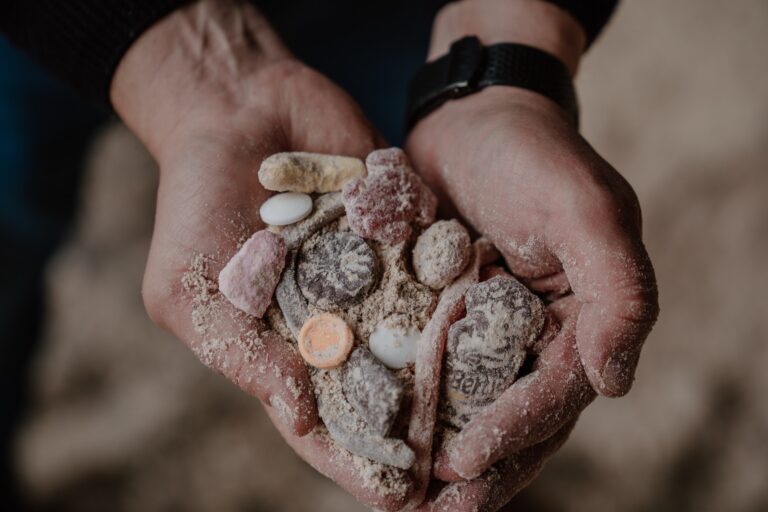
Inside the Mayura Feeding Programme
From limestone-hill grazing cells to the "Moo Cow Motel" and a signature chocolate-supplemented diet — how Mayura feeds its Full-Blood Wagyu across roughly 500 days on…
Read more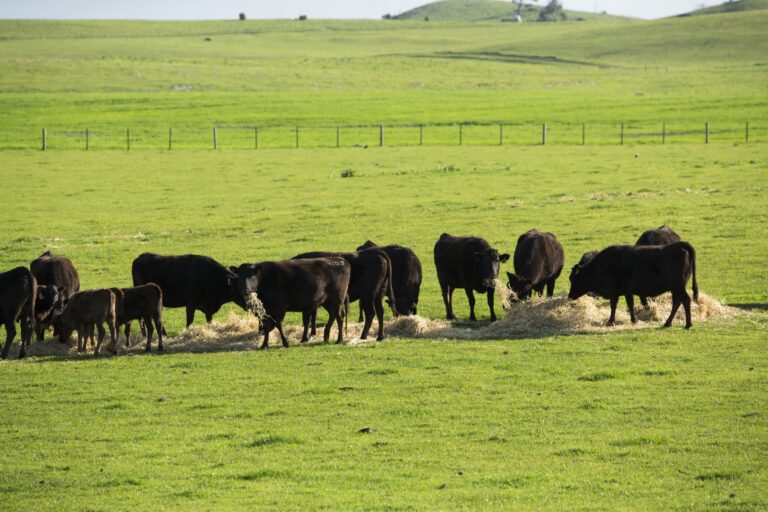
Full-Blood vs Crossbred Wagyu: Why the Difference Matters
Much of the Wagyu on menus worldwide is crossbred. Mayura raises only Full-Blood — 100% genetically pure Wagyu, traceable to Japanese bloodlines. Why that distinction is…
Read more