
Full-Blood vs Crossbred Wagyu: Why the Difference Matters
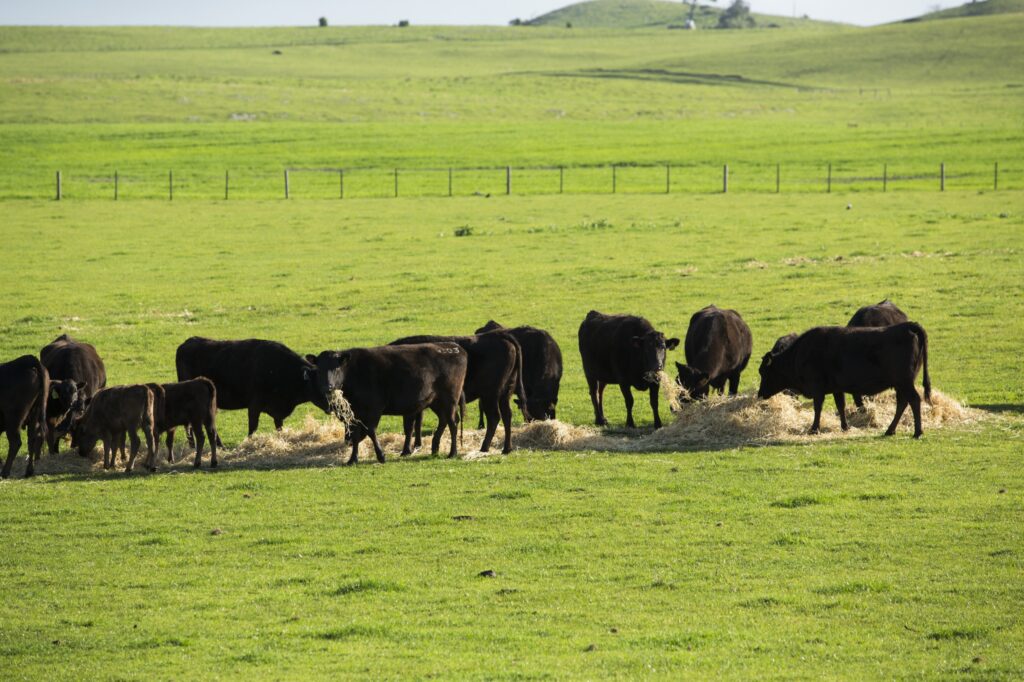
Wagyu has become increasingly ubiquitous on menus worldwide — sometimes to the point where the term risks losing its meaning. Understanding what separates outstanding Wagyu from merely good Wagyu starts with one distinction that many diners never notice: Full-Blood versus crossbred.
What “Full-Blood” means
Mayura specialises in Full-Blood Wagyu — animals that are 100% genetically pure Wagyu, fully traceable back to their original Japanese bloodlines. Much of the Wagyu marketed globally is actually crossbred, typically Wagyu crossed with Angus or another breed (often sold as F1). Crossbreeding can produce good beef, but it introduces variability that makes true consistency difficult to deliver.
Why the genetic foundation matters
Full-Blood Wagyu offers a genetic foundation stable enough to fine-tune every aspect of the raising process. Mayura’s herd descends from some of Japan’s most prestigious bloodlines, with meticulous selection over generations to optimise marbling capacity, meat quality and the cattle’s ability to thrive in South Australian conditions. That foundation, coupled with Mayura’s farming practices, is what makes supreme consistency possible.
Consistency is the payoff
It was a deliberate choice. When a small number of Wagyu first left Japan in 1997, the conventional idea was to breed bulls for crossbred F1 production. Scott de Bruin instead set out to produce pure, 100% Full-Blood Wagyu — and in 2005 Mayura committed to Full-Blood production exclusively. Today, raised under identical protocols within a vertically integrated operation, the herd delivers a predictable eating experience shipment after shipment, season after season — the kind of reliability prestigious restaurants and distributors depend on.
More from Insights
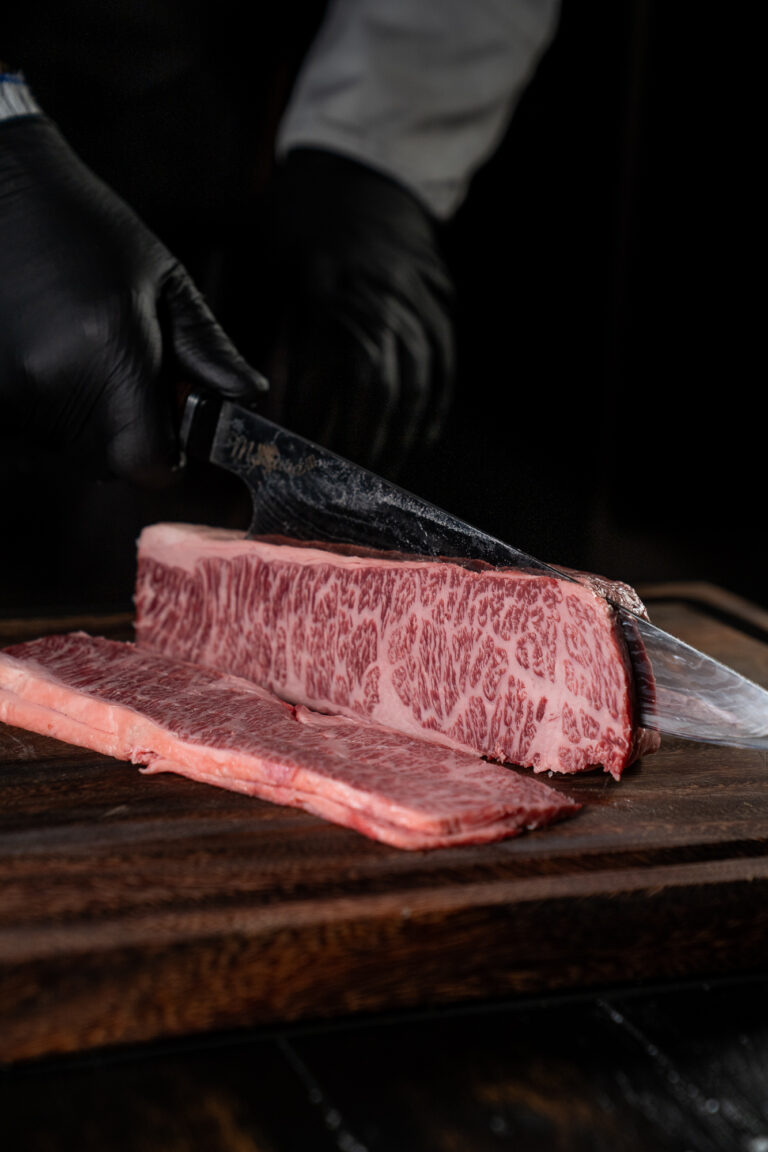
How Wagyu Is Graded: Marble Scores and the MIJ Record
AUS-MEAT marble scores, the Japanese A4–A5 equivalence, and the AI-assisted MIJ camera that reads marbling beyond Marble Score 9 — the grading behind Mayura’s Australian record…
Read more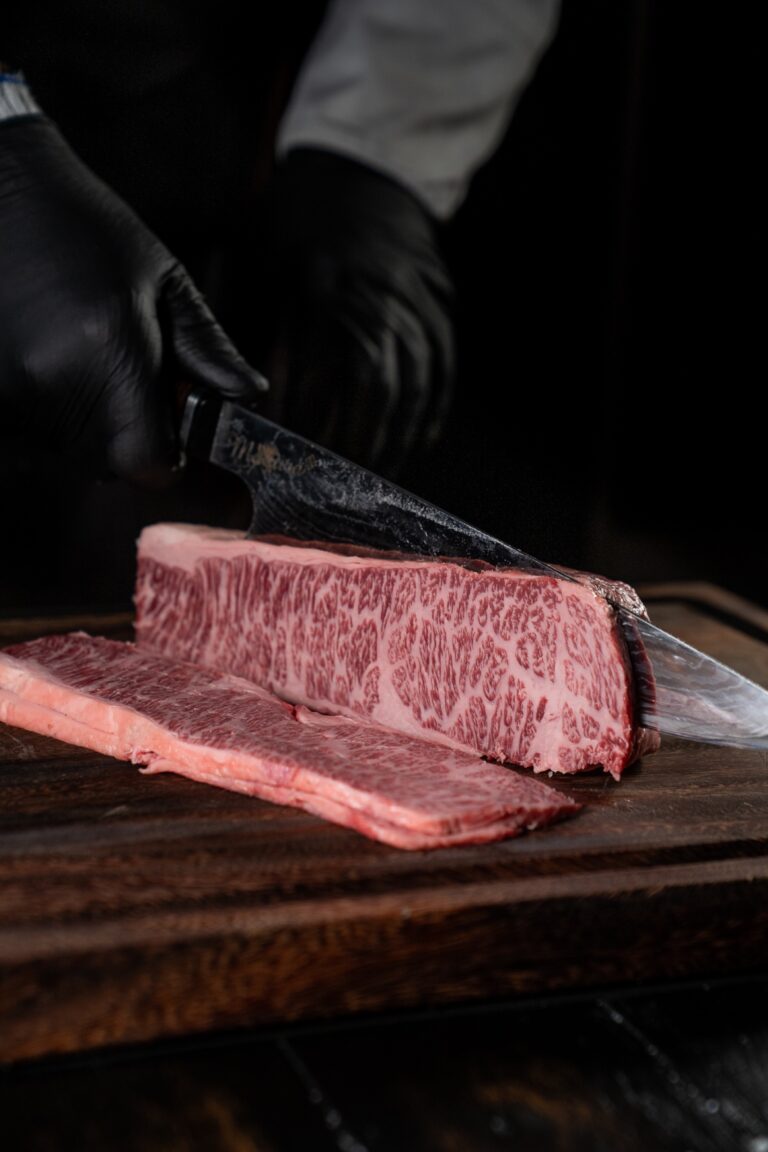
What Makes Wagyu Special: Marbling Explained
Marbling is the intramuscular fat that gives Wagyu its signature look and buttery texture — but genetics alone don’t guarantee it. What marbling really is, and…
Read more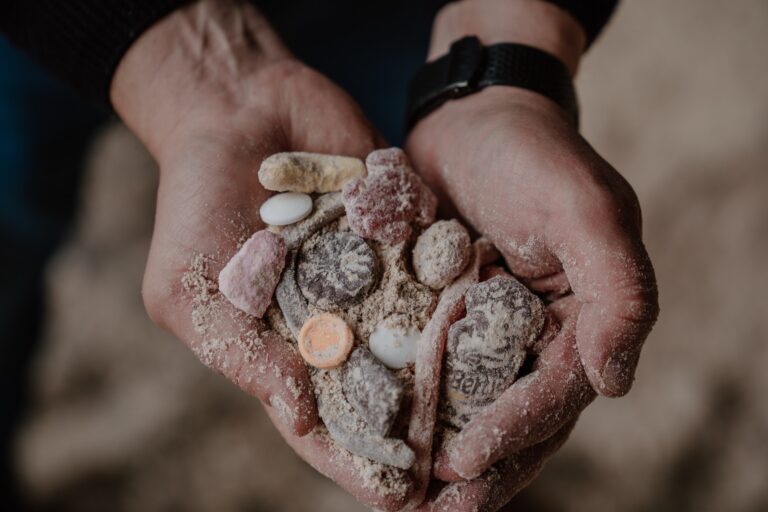
Inside the Mayura Feeding Programme
From limestone-hill grazing cells to the "Moo Cow Motel" and a signature chocolate-supplemented diet — how Mayura feeds its Full-Blood Wagyu across roughly 500 days on…
Read more